

Dec 23
How Does Stress Affect Your Vision?
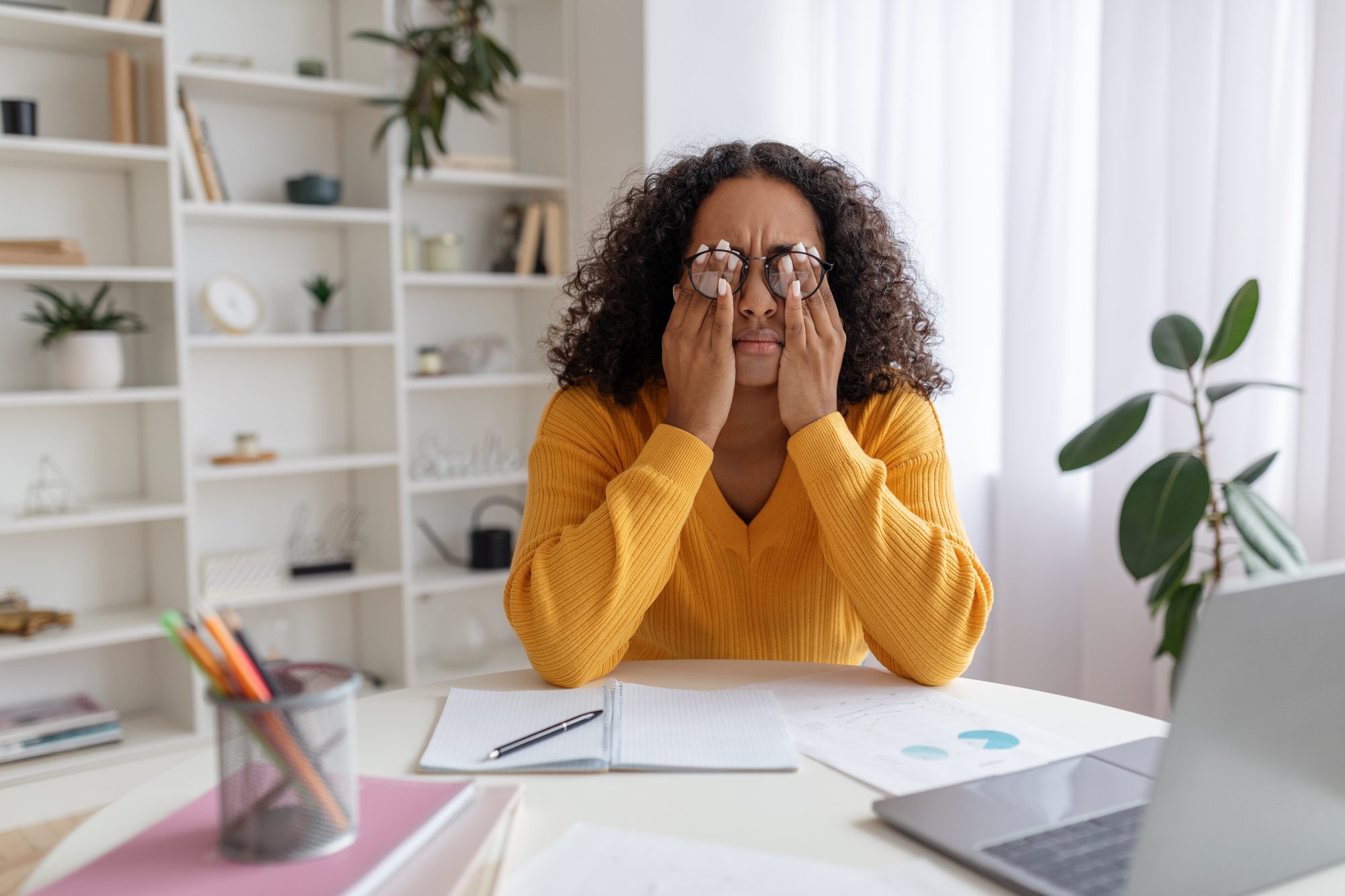
Many of us experience stress daily. In fact, nearly 83% of U.S. workers feel stressed at their jobs. But did you know this constant pressure affects more than just your mood and sleep? At Trumansburg Optical, we’ve been caring for our community’s eyes since 2005, and we’ve seen firsthand how stress can have surprising effects on vision.
Stress can:
- Cause your vision to become temporarily blurry or unfocused.
- Increase eye strain and tension around the eyes and temples.
- Trigger headaches and migraines that can affect sight.
- Worsen symptoms of dry eyes or other existing eye conditions.
Understanding these effects can help you recognize when stress is affecting your eyes and take steps to support your vision.
Why Does My Vision Get Blurry When I’m Stressed?
When your body responds to stress, it releases hormones like adrenaline. These hormones can cause your pupils to dilate, letting in more light, which may make your vision sensitive and blurry. Stress also adds tension to the muscles around your eyes and temples. This tension can lead to eye strain and headaches that affect your sight. While these effects usually fade once stress decreases, it’s important to know when blurry vision might be related to a more serious eye condition.
Why Do My Eyes Feel Irritated When I’m Stressed?
When experiencing stress, you might unconsciously reduce your blink rate. Blinking is a vital, automatic action that spreads a fresh, even layer of tears across the surface of your eyes, effectively keeping them lubricated and moist. If you blink less frequently, these essential tears tend to evaporate more quickly from your eyes, leaving them feeling dry and uncomfortable. This can manifest as noticeable irritation, redness, and a bothersome gritty or sandy sensation, all of which contribute to general eye discomfort.
Can Stress Affect My Eyes Long-Term?
While stress alone is unlikely to cause permanent vision damage, prolonged exposure can make existing eye problems worse and even lead to new ones. For example, chronic stress can raise your blood pressure, which may damage the small blood vessels in your retina and increase your risk of hypertensive retinopathy.
High stress levels can also lead to increased pressure inside the eye, which is a major risk factor for glaucoma, a serious disease that can cause irreversible vision loss. Chronic stress has also been linked to other conditions, such as central serous chorioretinopathy (CSCR), in which fluid builds up under the retina and blurs your vision. It can also trigger or worsen ocular migraines and inflammation (uveitis). If you’re feeling stressed, it’s important to check in with yourself to prevent reaching the point where your vision or overall health could be affected.
What Are Some Warning Signs that Stress is Affecting My Eyes?
It can be easy to dismiss subtle vision changes, but paying attention to them is key. Here are some common warning signs that stress might be impacting your eyes:
- Blurry or fluctuating vision
- Eye twitching (myokymia)
- Increased sensitivity to light
- Headaches that seem to start near or behind your eyes
- Difficulty focusing or reading for extended periods
If you notice any of these symptoms, try to track when they occur and if they correlate with stressful periods. If they persist, it’s a good idea to start making changes.
How Can I Protect My Eyes from Stress-Related Issues?
Protecting your vision from the effects of stress involves a good balance of eye care and stress management. Here’s what you can do:
- Schedule regular eye exams: An annual check-up with an eye doctor can help detect any underlying issues.
- Practice stress management: Incorporate techniques such as meditation, deep breathing, regular exercise, and adequate sleep into your routine.
- Take screen breaks: Make sure to use proper lighting and follow the 20-20-20 rule when using screens to reduce strain.
- Stay hydrated and eat a balanced diet: Nutrients like omega-3s, zinc, and vitamins C and E support eye health.
Making these habits part of your daily routine will do more than just reduce your eye strain. It will help you feel calmer and more focused overall.
Keep Your Vision Clear Through Life’s Daily Pressures
Stress can affect vision in many ways, from temporary blurriness and dryness to headaches and light sensitivity. The good news is that most stress-related vision issues are manageable with proper care. Paying attention to your symptoms, managing stress, and getting regular eye exams can help protect your sight.
If you are concerned about your eye health or noticing persistent vision changes, schedule an exam with Trumansburg Optical today. Our team is here to help you maintain healthy eyes, even in stressful times.
